
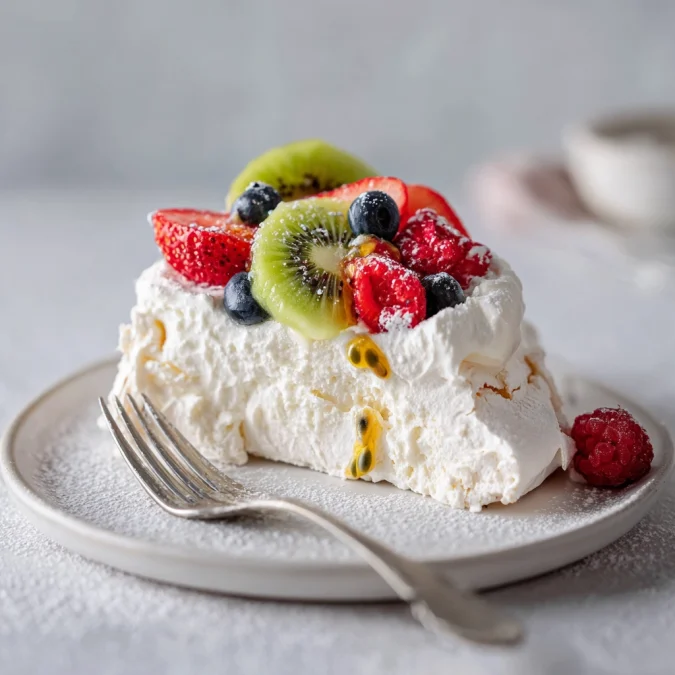
The Naomi Watts pavlova recipe became popular after it was shown on The Real Housewives of New York City reunion. Andy Cohen served it on the show, and many people started talking about it online. People from Australia and New Zealand said pavlova is usually big, a little messy, and covered with cream and fresh fruit.
Naomi Watts grew up in Australia, where pavlova is a very common dessert. That is why this recipe is special to her. This article explains a simple and classic way to make pavlova with a crisp outside and a soft, fluffy center.
Table of Contents
Key Takeaways
- Dissolve the sugar fully: Make sure the sugar melts completely into the egg whites. This step helps create a smooth meringue and keeps it strong and stable.
- Bake low and cool slowly: Always bake pavlova at a low temperature. Let it cool slowly inside the oven so it does not crack or fall.
- Use cornstarch and acid: Add a small amount of cornstarch and lemon juice or vinegar. These ingredients help the pavlova hold its shape and prevent liquid from leaking out.
- Add toppings at the right time: Put the cream and fruit on just before serving. The shell becomes soft quickly after adding toppings, so this keeps the texture perfect.
What this pavlova tastes like and why people love it
Pavlova has two different textures that make it special. The outside feels crisp when you bite into it. The inside feels soft, light, and fluffy, almost like a marshmallow. The whipped cream adds a rich and smooth layer. Fresh fruit adds a slightly sour and fresh flavor that balances the sweetness.
Many people love pavlova because it looks beautiful, but it does not need to look perfect. Small cracks can appear, but cream and fruit easily cover them. This relaxed and natural look makes pavlova popular in Australia and New Zealand.
Recipe for Naomi Watts Pavlova
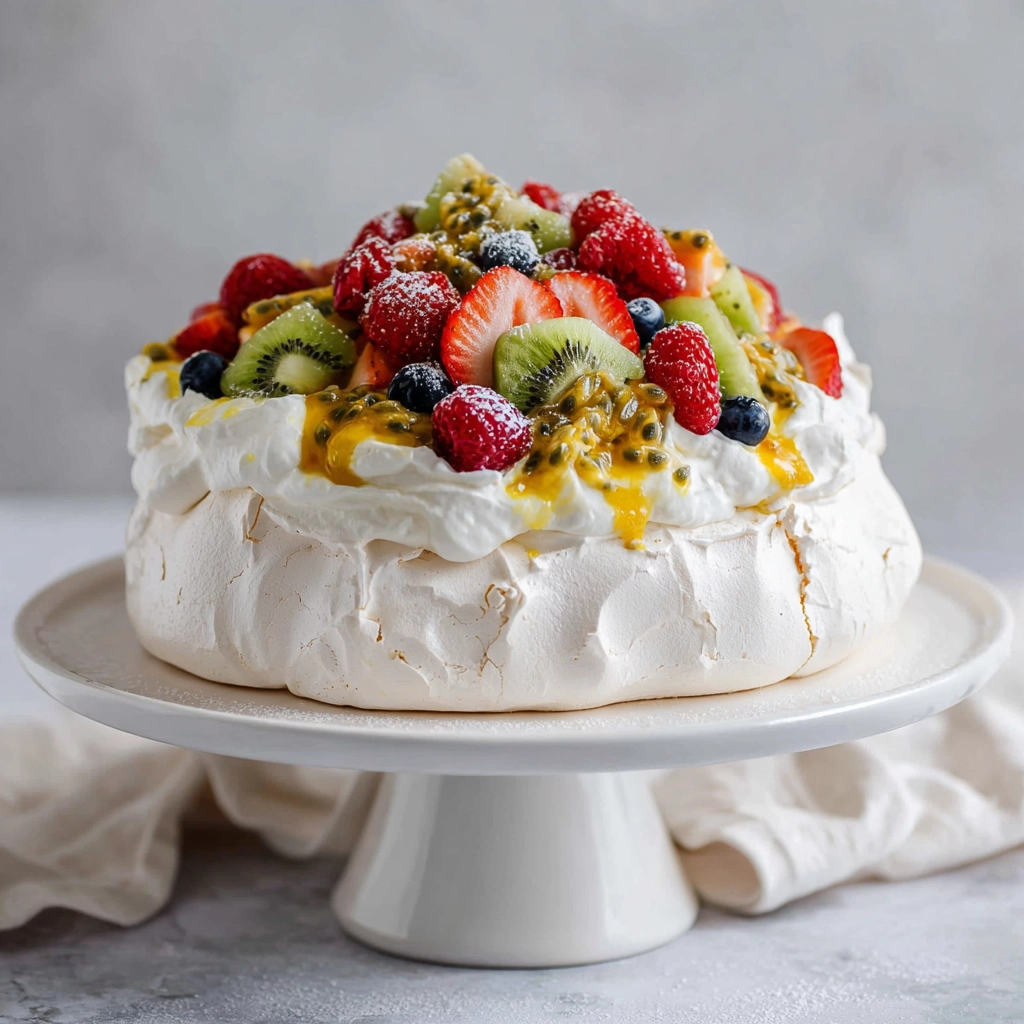
Naomi Watts Pavlova Recipe
8
servings20
minutes1
hour15
minutes550
kcal1
hour40
minutes3
hours15
minutesKeep the screen of your device on
Ingredients Required
- Ingredients For The Meringue Base
4 large egg whites, at room temperature
1 cup caster sugar, about 200 grams
2 teaspoons cornstarch
1 teaspoon white vinegar or lemon juice
1 teaspoon vanilla extract
Pinch of fine salt
- Ingredients For The Topping
1 1/4 cups heavy cream, cold
1 to 2 tablespoons powdered sugar
1/2 teaspoon vanilla extract
2 to 3 cups fresh fruit, sliced as needed
Good choices: strawberries, kiwi, raspberries, blueberries, and passionfruit pulp
How to Make Naomi Watts Pavlova Recipe
- Step 1: Prepare the Oven and Baking Tray
Set your oven to 250°F or 120°C. Place parchment paper on a baking tray. Draw an 8 to9-inchh circle to use as a guide. Turn the paper over so the ink does not touch the pavlova. - Step 2: Whip the Egg Whites to Stiff Peaks
Put the egg whites and salt in a clean, dry bowl. Beat them at medium speed. First, they will look foamy. Keep beating until soft peaks form. Soft peaks bend when you lift the mixer.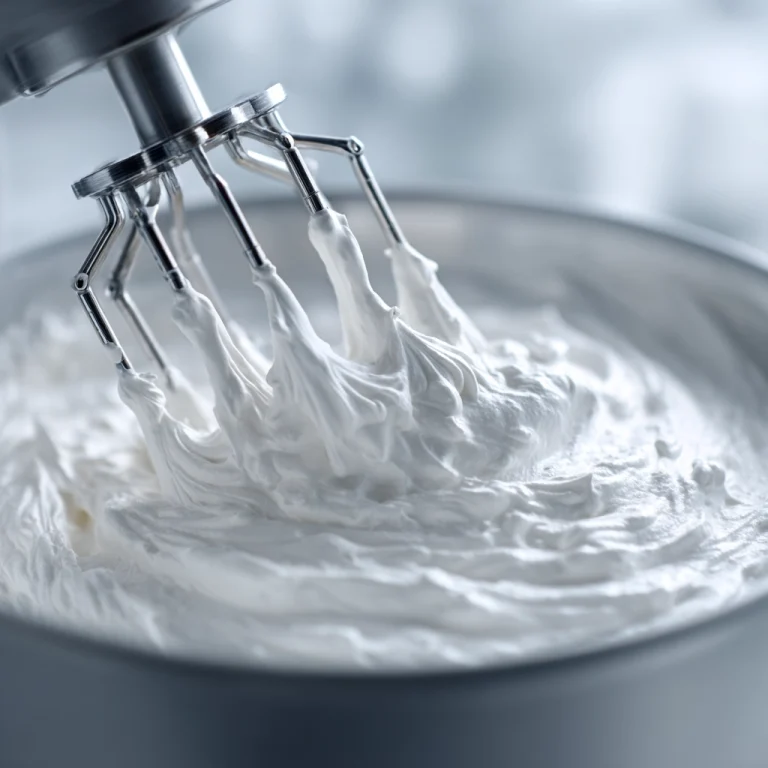
- Step 3: Add Sugar Slowly Until the Meringue Turns Glossy
Add the sugar slowly, one spoon at a time, while mixing. This helps the sugar mix in properly. Keep beating until the mixture looks thick, smooth, and shiny. It should hold its shape. Rub a small amount between your fingers to make sure it feels smooth, not grainy.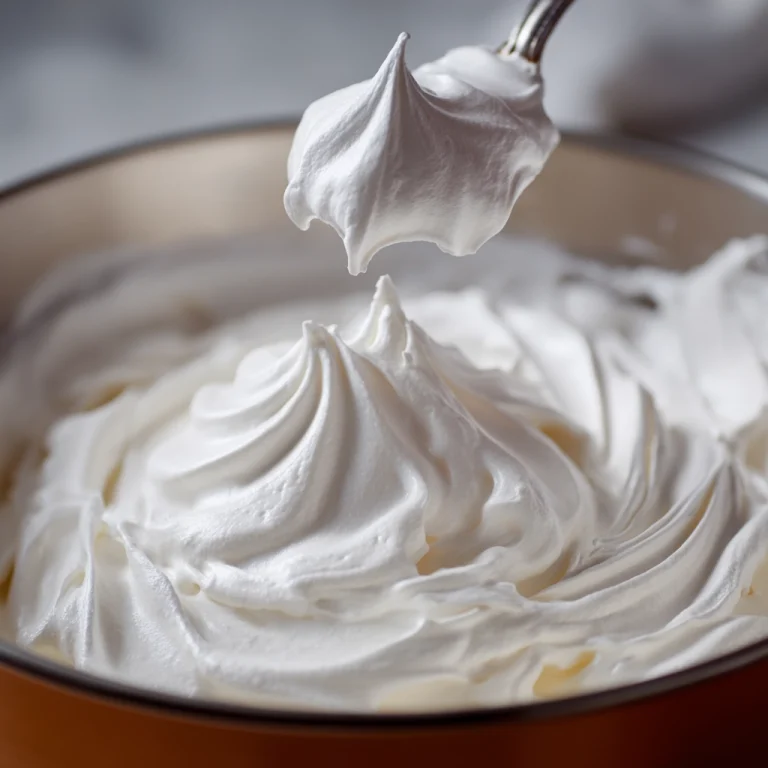
- Step 4: Shape the Meringue Into a Nest Form
Add the cornstarch, vinegar, and vanilla. Fold gently so everything mixes well. Put the meringue on the tray. Shape it into a tall circle. Make a small dip in the center and keep the sides higher.
- Step 5: Bake at Low Temperature and Cool Gradually
Bake for about 1 hour and 15 minutes. The outside should feel dry. Turn off the oven and keep the door closed for 1 hour. Then open the door a little and let it cool fully. Cooling slowly helps stop large cracks.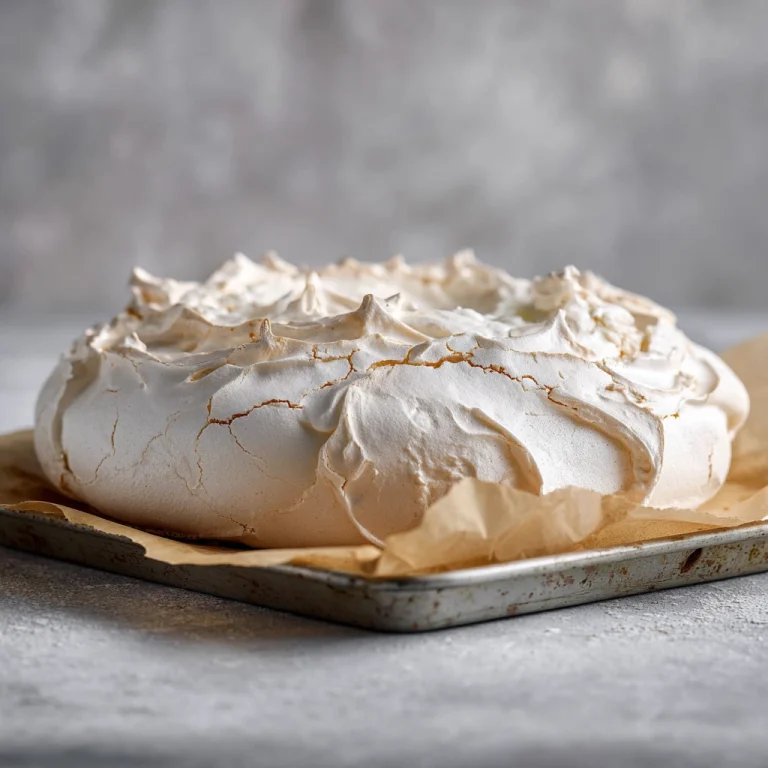
- Step 6: Whip the Cream and Prepare the Fruit Topping
Beat the cold cream with powdered sugar and vanilla. Mix until it becomes thick and soft. Cut the fruit and keep it cold.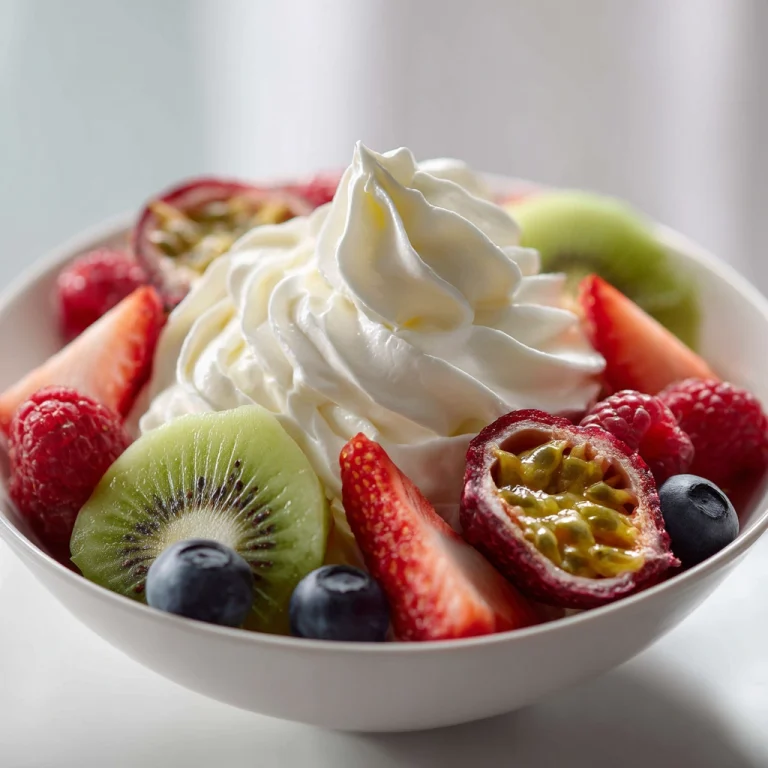
- Step 7: Assemble the Pavlova and Add the Toppings
Place the cooled pavlova on a serving plate. Add the whipped cream in the center. Put the fruit on top. Serve it right away so the outside stays crisp.
Recipe Video
Tips For A Bright White, Stable Pavlova
Temperature and timing cues that prevent collapse
Do not use high heat when baking pavlova. Low heat helps dry the outside slowly while keeping the inside soft. Slow cooling also helps the pavlova keep its shape. Keep the oven door closed during baking so the temperature stays steady.
Humidity tips that protect the shell
Wet or humid weather can make pavlova sticky. Sugar pulls moisture from the air, which softens the shell. If the weather feels humid, let the pavlova cool completely. Then store it in an airtight container as soon as it reaches room temperature.
The small details that stop sugar weeping
Always use a clean and grease-free bowl. Some bakers wipe the bowl with vinegar to make sure no fat remains. Use medium mixer speed and add sugar slowly in small amounts. Very high speed can weaken the mixture. Beat until the sugar fully dissolves. If sugar stays undissolved, liquid can form later and damage the texture.
Make Ahead And Storage
What can you prep the day before
You can bake the pavlova shell one day early. Let it cool fully before storing it. Place it in an airtight container and keep it at room temperature. Wash the berries, dry them well, and keep them in the fridge until needed.
How to store the shell and toppings separately
Keep the pavlova shell in a dry place at room temperature. Store the whipped cream and fruit in the fridge so they stay fresh. Put everything together just before serving because the shell becomes soft quickly after adding the toppings.
Best way to use leftovers
Place leftover pavlova in the fridge. The texture will become softer, but it will still taste good. You can also break the pavlova into pieces and layer it with cream and fruit in a glass to make an easy dessert. If egg yolks remain, use them to make a simple custard and serve it with fruit so nothing gets wasted.
Serving Ideas For Parties
Mini pavlovas for clean portions
Spoon the meringue into small nests instead of making one large pavlova. Mini pavlovas are easier to serve because each person gets their own portion. Many people feel nervous about making pavlova at first, but small ones feel easier and more manageable.
Broken pavlova for fast plating
If the pavlova shell cracks, you can break it into pieces on purpose. Place the pieces in a bowl and add whipped cream and fruit on top. This method is quick, simple, and still tastes delicious. It also gives the dessert a relaxed and homemade look.
Flavor Variations
Chocolate swirl version
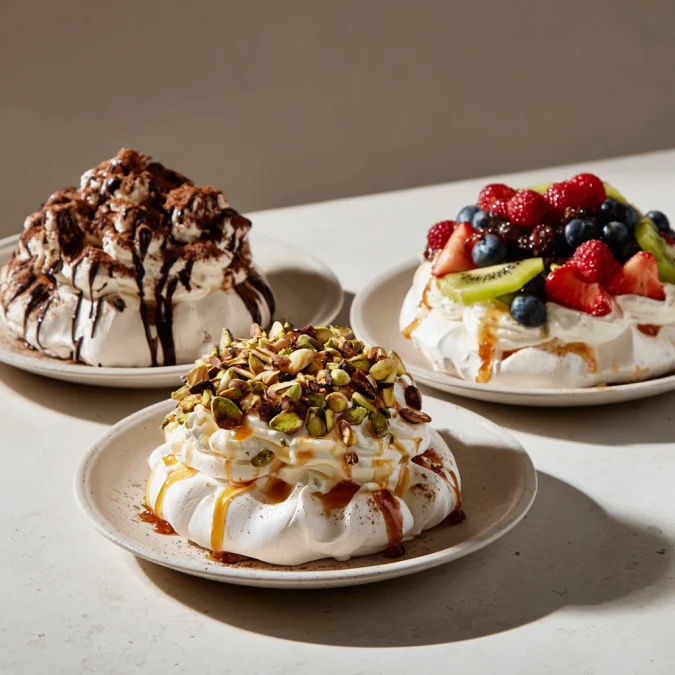
Sprinkle a small amount of cocoa powder over the meringue after shaping it. Use a spoon to swirl it gently. You can also pour melted chocolate over the pavlova after it cools. Then add the cream on top.
Nut topping and caramel drizzle
Add toasted pistachios, almonds, or hazelnuts on top of the cream. Pour a little caramel sauce over them just before serving. This adds crunch and extra sweetness.
Dairy-free topping ideas
Use coconut whipped cream or another plant-based whipped cream instead of regular cream. Add fresh fruit on top to make the dessert taste bright and fresh.
FAQs
What sugar works best for pavlova?
Castor sugar works best because it dissolves faster and creates a smooth, glossy meringue. Fine granulated sugar is the next best option if caster sugar is not available.
Can I use carton egg whites in this recipe?
Fresh egg whites work best because they whip stronger and create a better structure. Carton egg whites can work, but they often give less stable results.
How long should pavlova cool in the oven?
Let the pavlova cool in the turned-off oven for at least 1 hour. This slow cooling helps prevent cracks and collapse.
How to keep pavlova crisp for longer?
Store the baked shell in an airtight container at room temperature. Add cream and fruit only right before serving to keep the shell crisp.


