
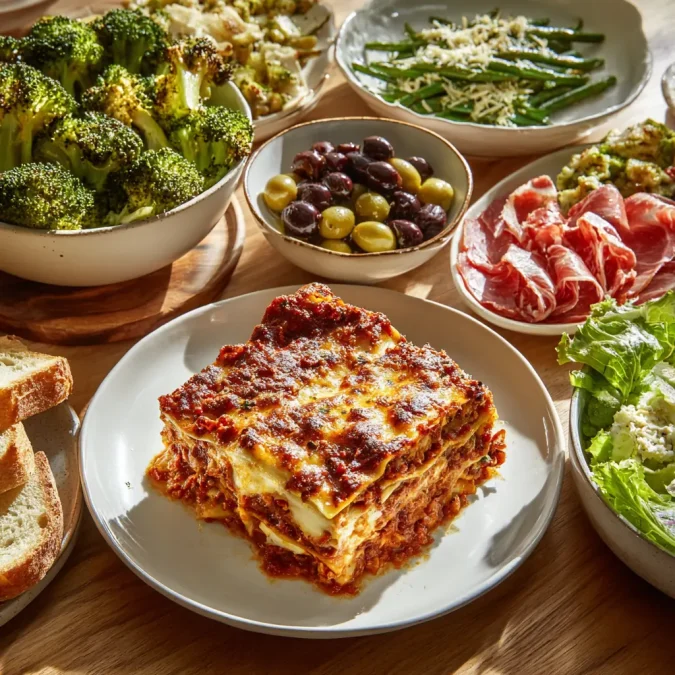
When people think of Tony Bennett, they often think of his beautiful singing. At home, Tony also loved his mother’s lasagna. This is a family recipe with a rich sauce, soft noodles, and plenty of cheese. It has a warm and homely taste that fills the kitchen with a wonderful smell.
The first time I made this lasagna for my family, everyone came into the kitchen asking what I was cooking because it smelled so good. Each layer feels cozy and full of flavor. It is the kind of meal that brings everyone to the table.
In this Tony Bennett’s mother’s lasagna recipe, you will learn how to prepare it step by step in a very simple way. You will also find a few helpful tips so your lasagna turns out soft, cheesy, and comforting.
Table of Contents
Key Takeaways
- Authentic Family Recipe: Tony Bennett’s mother, Anna, made a classic Italian American lasagna that became a loved family meal. It has a rich meat sauce, creamy cheese, and soft pasta layers.
- Secret Ingredient: She added a small pinch of ground cinnamon to the meat sauce. This gives a gentle, warm taste without making the sauce sweet.
- Why It’s Famous: Tony Bennett often said this lasagna was a favorite at Sunday dinners and holidays. After he shared the recipe, many fans and home cooks started making it because of the flavor and the sweet family story.
- Rich and Hearty: This Tony Bennett’s mother’s lasagna recipe uses ground beef, Italian sausage, ricotta, and Pecorino Romano. These ingredients make each layer creamy, savory, and very comforting.
- Great for Gatherings: This lasagna is great for family meals. You can make it ahead of time, and the leftovers taste even better the next day.
What Is Tony Bennett’s Mother’s Lasagna
Tony Bennett’s mother’s lasagna is a classic Italian American baked lasagna that came from the Benedetto family kitchen. This is the lasagna Tony ate while growing up in his home in Queens, New York. The dish has wide lasagna noodles, a rich meat sauce, and a creamy ricotta filling. It is finished with plenty of Pecorino Romano cheese on top.
This lasagna has a tiny bit of cinnamon in the sauce. It gives a soft, warm taste that makes the sauce better. It may sound unusual, but it gives the sauce a soft, ft warm taste that makes the lasagna stand out. The flavor feels homely and comforting without being fancy or complicated.
Why This Lasagna Became So Famous
This lasagna became famous because Tony Bennett loved it and talked about it often. He shared many memories of his childhood and how his family gathered every Sunday for his mother’s cooking. Lasagna was the dish everyone looked forward to, especially on holidays and special family days.
When Tony shared his mother’s recipe and mentioned the small pinch of cinnamon in the sauce, people became very curious. Fans and home cooks wanted to try the same lasagna he enjoyed as a child. After he talked about it in interviews and books, the recipe spread quickly. It began appearing in magazines and on cooking websites.
Flavorful Variations
Vegetarian Version
To make a vegetarian lasagna, leave out the ground beef and the sausage. You can replace them with vegetables or plant-based meat. Sauté mushrooms, zucchini, spinach, and bell peppers with the onions and garlic. Mushrooms work especially well because they have a rich, meaty texture.
Then add the tomatoes, puree, paste, basil, and a small pinch of cinnamon. Season the sauce with salt and pepper. Build the lasagna the same way as the original recipe with ricotta, noodles, and Pecorino. You can also use vegetarian sausage crumbles if you want more protein.
Three Cheese Version
If you love cheese, this version is perfect. The original recipe uses ricotta and Pecorino Romano. You can add mozzarella to make the filling extra creamy. Stir a cup or two of shredded mozzarella into the ricotta mixture. You can also add provolone slices or a little parmesan for more flavor.
Add fresh mozzarella on top during the last fifteen minutes of baking for a soft, melted finish.
Recipe for Tony Bennett’s Mother’s Lasagna

Tony Bennett’s Mother’s Lasagna Recipe
12
servings30
minutes1
hour770
kcal1
hour30
minutesKeep the screen of your device on
Ingredients
- Ingredients for the Meat Sauce
1 ¼ pounds ground beef
½ pound Italian sausage
2 medium onions
5 to 6 cloves of garlic
28 ounces canned Italian plum tomatoes
28 ounces tomato puree
2 cans tomato paste (6 ounces each)
¼ cup fresh basil
¼ teaspoon ground cinnamon
1 teaspoon salt
½ teaspoon black pepper
2 to 3 tablespoons olive oil
- Ingredients for the Cheese Mixture
32 to 40 ounces of fresh ricotta cheese
3 large eggs
- Ingredients for the Lasagna Layers
1 pound lasagna noodles
12 ounces grated Pecorino Romano cheese
- Optional Add Ins
Mozzarella cheese
0.5 cup red wine
Dried oregano
Fresh parsley
Bell peppers
Mushrooms
Crushed red pepper flakes
How to Make Tony Bennett’s Mother’s Lasagna
- Prepare the Meat Sauce
Heat two tablespoons of olive oil in a large pot over medium heat. Add the chopped onions and the ground beef. Cook for about seven to eight minutes. Stir the meat so it browns evenly and the onions turn soft. Remove the cooked beef and onions from the pot and set them aside.
Add another tablespoon of olive oil if the pot looks dry. Add the Italian sausage and the garlic. Cook for three to five minutes. Break the sausage into small pieces as it cooks. When it is browned, return the cooked beef and onions to the pot.
Add the canned tomatoes, the tomato puree, and the tomato paste. Stir everything well. Add the fresh basil and the ground cinnamon. Add the salt and pepper. Let the sauce come to a gentle simmer. Reduce the heat and let it cook for about twenty minutes. Stir now and then so it does not stick. When the sauce tastes rich and warm, turn off the heat and set it aside. - Prepare the Cheese Filling
Place the ricotta in a large bowl. Drain extra liquid if needed. Lightly beat the eggs in a small bowl, then mix them into the ricotta. Stir until the mixture is smooth and creamy. Set the ricotta mixture aside. Keep the grated Pecorino Romano in another bowl because you will sprinkle it during the layering step. - Cook the Lasagna Noodles
Bring a large pot of water to a boil. Add salt to the water. Add the lasagna noodles and stir gently so they do not stick together. Cook until the noodles are al dente. This usually takes eight to ten minutes. Drain the noodles and rinse them lightly with cool water so they stop cooking. Lay them flat or toss them with a little olive oil so they do not stick.
If you are using oven-ready noodles, you can skip boiling. Make sure your sauce has enough moisture so the dry noodles can soften in the oven. - Assemble the Layers
Preheat your oven to three hundred fifty degrees Fahrenheit. Spread a thin layer of meat sauce on the bottom of a large baking dish. Place a layer of noodles over the sauce. Spread one-third of the ricotta mixture on top. Sprinkle Pecorino Romano over the ricotta. Add some mozzarella if you are choosing to use it. Spoon some meat sauce on top.
Repeat these layers two more times: noodles, ricotta, Pecorino, sauce. Add a final layer of noodles. Cover the top with the rest of the meat sauce. Sprinkle the last of the Pecorino on top.
Your lasagna is now ready to bake. - Bake the Lasagna
Place the baking dish in the preheated oven. Bake for about forty-five minutes. The sauce should bubble around the edges, and the top should look slightly golden. If the top becomes too brown, you can gently cover the dish with foil during baking.
When the lasagna is done, remove it from the oven. Let it rest for about ten minutes. This rest time helps the layers firm up so you can cut neat slices and serve them easily.
Chef Tips for The Perfect Lasagna
How to Keep the Noodles From Sticking
Lasagna noodles often stick together if the pot is too small or if they are not stirred. Use a large pot with plenty of boiling water. Add the noodles and stir them now and then so they stay loose. You can add a small amount of oil to the boiling water, but stirring is what helps the most.
Once the noodles are cooked, drain them right away. You can rinse them lightly under cold water to stop the cooking and remove extra starch. You can also lay the noodles flat on a baking sheet so they do not stick. If you do not have space, drape the noodles over the edge of a bowl or colander. You can also toss the noodles with a little olive oil to keep them separate.
If you use oven-ready noodles, you do not need to boil them. Just make sure your sauce has enough moisture so the noodles soften well in the oven.
How to Build Perfect Layers
A lasagna with even layers looks beautiful and tastes balanced. Start with a small amount of sauce on the bottom of the pan. This keeps the first layer of noodles from sticking.
Spread the ricotta mixture evenly on each noodle layer. Sprinkle Pecorino evenly. Add enough sauce to cover everything well. Aim for full coverage so no noodle edges dry out. Overlapping noodles a little is fine.
A good structure is three layers of filling between four layers of noodles. Press each noodle layer gently so everything settles evenly. Finish with a layer of sauce and cheese on top. This keeps the top soft and prevents dryness.
How to Keep the Lasagna Moist and Tender
Lasagna becomes dry when the noodles do not have enough sauce on them. Make sure every noodle is fully covered with sauce so the edges stay soft while baking. A generous amount of sauce keeps the whole dish moist and flavorful.
Covering the lasagna with foil during most of the baking time also helps keep the moisture inside. Remove the foil only in the last ten or fifteen minutes so the top can get a light golden color without drying out.
Do not bake the lasagna for too long. About forty-five minutes at three hundred fifty degrees Fahrenheit is usually enough because the ingredients are already cooked. You are mainly warming the layers and melting the cheese.
Let the lasagna rest for about ten minutes after you take it out of the oven. This rest time helps the layers settle and lets the moisture spread evenly through the dish. This makes each slice soft, juicy, and easy to serve.
What to Serve With This Lasagna
Side Dishes That Match Well
A small plate of olives, roasted peppers, or sliced salami works well as a light starter. These small bites add flavor without making you too full.
Vegetables are a great match for lasagna. Garlic-roasted broccoli is easy and always tasty. Roasted zucchini with a little parmesan also fits the meal. Spinach cooked with garlic and olive oil brings a fresh taste. Even simple green beans with a little lemon go well with the warm lasagna.
Best Salads and Breads
Warm garlic bread or toasted bread is perfect for dipping into the sauce. Bread and lasagna are a classic pair.
A cool salad helps balance the heavy pasta. A Caesar salad is always a good choice. A simple salad with lettuce, tomatoes, cucumbers, and a light dressing also works well. The fresh crunch of the salad makes the whole meal feel lighter.
Storage and Reheating
How to Store Leftovers
Let the lasagna cool to room temperature. Do not leave it out for more than one or two hours. After it cools, cover the pan tightly or place the slices in airtight containers. You can leave the lasagna in the baking dish if you cover it well, or you can store individual servings in small containers. In the refrigerator, lasagna stays fresh for three to four days. The flavor often tastes deeper the next day. If your lasagna is in a metal pan, move it to a glass or plastic container if you plan to store it for more than one night.
How to Reheat Without Drying
You can reheat lasagna in the microwave or in the oven. The goal is to warm it without drying the noodles.
For the microwave, place one slice on a plate. Add a small spoonful of water or sauce on top. Cover the slice with a microwave-safe lid or a damp paper towel. Heat it on medium power for short steps until it becomes hot all the way through.
For the oven, place the lasagna in an oven-safe dish. Add a small spoonful of water or sauce around the edges. Cover the dish with foil. Warm it at 350°F for about twenty to twenty-five minutes. If you warm a full pan, it may take closer to thirty minutes. Remove the foil for the last few minutes if you want the top to firm up again.
Freezing Instructions
Lasagna freezes very well. You can freeze it before baking or after baking.
To freeze an unbaked lasagna, wrap the whole dish in plastic wrap and then foil, or place it in a freezer-safe dish with a tight lid. It keeps well for two to three months. Thaw it in the refrigerator overnight before baking. If you bake it while still frozen, keep it covered and bake longer until the center becomes hot.
To freeze baked lasagna, cut it into slices and wrap each slice in plastic wrap and foil. You can also use small freezer-safe containers. These slices keep for a couple of months. Thaw them overnight for the best texture, then warm them in the microwave or oven as described above.
Frozen lasagna may become a little softer after thawing, but the flavor stays rich and comforting. It is always nice to have a few slices saved for a busy day.
Nutrition Information
Nutrition Facts
12 servings per container
- Amount Per ServingCalories770
- % Daily Value *
- Total Fat
48.9g
62%
- Saturated Fat 23g 115%
- Cholesterol 164mg 55%
- Sodium 1221mg 54%
- Total Carbohydrate
17.7g
7%
- Dietary Fiber 2.25g 8%
- Total Sugars 5.35g
- Protein 26.7g 52%
- Calcium 481mg 37%
- Iron 2.44mg 14%
- Potassium 481mg 11%
- Vitamin C 14mg 16%
- Vitamin E 1.5mg 10%
- Vitamin K 11.2mcg 10%
* The % Daily Value tells you how much a nutrient in a serving of food contributes to a daily diet. 2,000 calories a day is used for general nutrition advice.
Disclaimer: Nutrition data for this recipe was calculated using the Recipe Blossom Nutrition Calculator. It’s designed to provide an estimate of calories, macronutrients, and micronutrients based on standard ingredients and portion sizes.
However, actual values may vary depending on brands, substitutions, or preparation methods. For medically tailored nutrition advice, we recommend consulting with a registered dietitian or qualified healthcare provider.
FAQs
Can I Use Fresh Lasagna Sheets Instead of Dried?
Yes, you can use fresh lasagna sheets. Fresh sheets cook faster and stay very soft. If the sheets are very thin, you do not need to boil them. Just add enough sauce so they stay moist while baking.
Can I Make This Lasagna Without Meat?
Yes, you can make a meatless version. Use vegetables like mushrooms, spinach, zucchini, or bell peppers in place of the beef and sausage. Cook the vegetables with onions, garlic, and tomatoes to make a simple sauce.
Can I Add More Sauce to Make It Extra Juicy?
Yes, you can add extra sauce. More sauce helps the lasagna stay soft and prevents dry noodles. Just make sure there is sauce on every layer, especially the top.
Can I Use Ground Turkey Instead of Beef?
Yes, you can use ground turkey instead of beef to make this lasagna. Brown it the same way you brown beef. Turkey has a lighter flavor, so you may want to season it a bit more with salt, pepper, or Italian herbs.
How Thick Should Each Layer Be?
Each layer should be even and not too thick. Spread the sauce and cheese in thin, smooth layers so the lasagna cooks evenly. Aim for about three layers of filling between the noodles. This keeps the lasagna firm, balanced, and easy to slice.


